
Ice fishing in the UK’s winter wonderland can be an exhilarating experience, but it’s not without its challenges. For those new to the sport, the harsh winter conditions can be daunting, and the risk of accidents and equipment failures is always present. However, with the right knowledge and preparation, ice fishing can be a safe and enjoyable experience. In this article, we’ll explore the tips and tricks for success in ice fishing, including how to stay safe on the ice, mastering the art of ice fishing, and understanding the regulations and responsible practices.
1. Winter Weather Woes: How to Stay Safe on the Ice
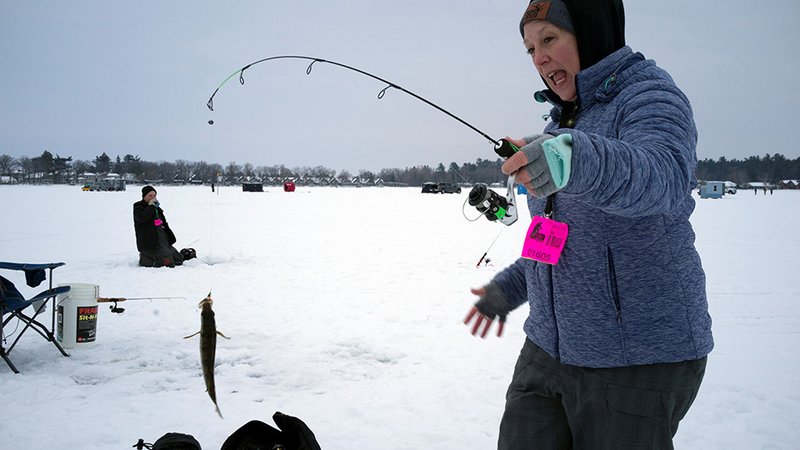
Staying safe on the ice is essential for a successful and enjoyable ice fishing experience. This involves choosing the right clothing, bringing the necessary equipment, and being aware of the potential hazards.
Dressing for Success
Choosing the right clothing for ice fishing is crucial. It should keep you warm and dry while allowing you to move freely. A good starting point is to wear layers of breathable clothing, including a base layer, fleece, and waterproof jacket and pants. Don’t forget to add a warm hat and gloves to prevent heat loss. Staying warm and dry is essential for preventing hypothermia. Hypothermia occurs when the body loses heat faster than it can produce it, which can be fatal if not treated promptly. Symptoms include shivering, confusion, and loss of coordination. If you or someone with you experiences any of these symptoms, seek medical attention immediately. * Preventing hypothermia is easier than treating it. Make sure to dress warmly, stay active, and seek shelter if you get too cold. It’s also essential to stay dry, as wet clothing can quickly lead to hypothermia.
Equipment Essentials
Must-haves for ice fishing in the UK include: A high-quality ice fishing rod and reel A portable ice auger for drilling holes A bucket or other container for storing bait and gear A first-aid kit and emergency shelter A mobile phone or other communication device Recommended gear for beginners includes: A basic ice fishing kit with rod, reel, and line A portable ice auger A bucket or other container for storing bait and gear A first-aid kit Safety features to look out for in equipment include: A durable and reliable ice fishing rod A portable ice auger with a secure grip A bucket or other container with a secure lid A first-aid kit with essential supplies
For players seeking reliable platforms, Ice Fishing Game offers comprehensive solutions.
2. Mastering the Art of Ice Fishing: Techniques and Tips
Mastering the art of ice fishing requires patience, persistence, and practice. This involves finding the perfect spot, mastering baiting and luring techniques, and tackling common challenges.
Finding the Perfect Spot
How to locate the best ice fishing areas in the UK: Look for areas with a high concentration of fish, such as near structures like rocks or weed beds. Consider the time of day and the water temperature when choosing a location. Use a fish finder or other device to locate fish beneath the ice. Factors to consider when choosing a location: Depth and structure of the water Presence of fish and other aquatic life Accessibility and safety of the location Tips for staying discreet: Avoid using bright colors or loud noises that may scare away fish. Stay low to the ground and avoid making sudden movements. Use a portable shelter or other concealment to hide from view.
The Art of Baiting and Luring
Effective baiting techniques for ice fishing: Use live bait such as minnows or worms to attract fish. Choose the right bait for the type of fish you’re targeting. Use a variety of lures to keep fish interested. Common lures and their uses: Jigs and spoons for attracting bottom-dwelling fish. Lures with a slow-moving action for attracting mid-water fish. Lures with a fast-moving action for attracting top-water fish. How to read water and find fish: Look for areas with a high concentration of fish, such as near structures like rocks or weed beds. Consider the time of day and the water temperature when choosing a location. Use a fish finder or other device to locate fish beneath the ice.
Tackling Common Challenges
Dealing with ice conditions and obstacles: Be aware of the ice conditions and avoid areas with thin or weak ice. Use a portable ice auger to drill holes safely and efficiently. Be prepared to deal with unexpected obstacles like ice ridges or cracks. Managing equipment and gear: Keep your gear organized and within reach. Use a bucket or other container to store bait and gear. Keep a first-aid kit and emergency shelter on hand. Overcoming mental and physical fatigue: Take regular breaks to rest and recharge. Stay hydrated and fueled with healthy snacks. Consider bringing a portable shelter or other comfort item to help you relax.
3. Ice Fishing in the UK: Regulations and Responsible Practices
Ice fishing in the UK is subject to various regulations and responsible practices. This involves understanding licenses and permits, catch limits and size restrictions, and environmental considerations.
Licenses and Permits
Requirements for ice fishing in the UK: Obtain a license or permit from the relevant authorities. Understand the regulations and restrictions on the type and amount of gear you can use. Pay any required fees or taxes. Types of licenses and permits available: Recreational fishing license for personal use. Commercial fishing license for business use. Special permits for specific types of fishing, such as ice fishing or spearfishing. Consequences of non-compliance: Fines and penalties for violating regulations. Confiscation of gear and equipment. Loss of fishing privileges.
Catch Limits and Size Restrictions
Understanding local regulations: Familiarize yourself with the local fishing regulations. Understand the catch limits and size restrictions for the types of fish you’re targeting. Be aware of any closed areas or restricted fishing times. Importance of sustainable fishing practices: Follow catch-and-release guidelines to help conserve fish populations. Avoid overfishing and respect local fish populations. Report any overfishing or other fishing-related incidents to the authorities. Consequences of overfishing: Depletion of fish populations and damage to the ecosystem. Economic losses for fishing industries and communities. Loss of recreational fishing opportunities.
Environmental Considerations
Protecting the environment and wildlife: Follow best practices for ice fishing, such as avoiding sensitive habitats and minimizing gear impact. Report any environmental incidents or concerns to the authorities. Support conservation efforts and organizations working to protect the environment. Best practices for ice fishing: Use a portable shelter or other concealment to hide from view. Avoid using bright colors or loud noises that may scare away fish. Stay low to the ground and avoid making sudden movements. Supporting conservation efforts: Donate to conservation organizations or participate in fundraising events. Educate others about the importance of conservation and sustainable fishing practices. Advocate for policies and regulations that support conservation efforts.

Leave A Comment